
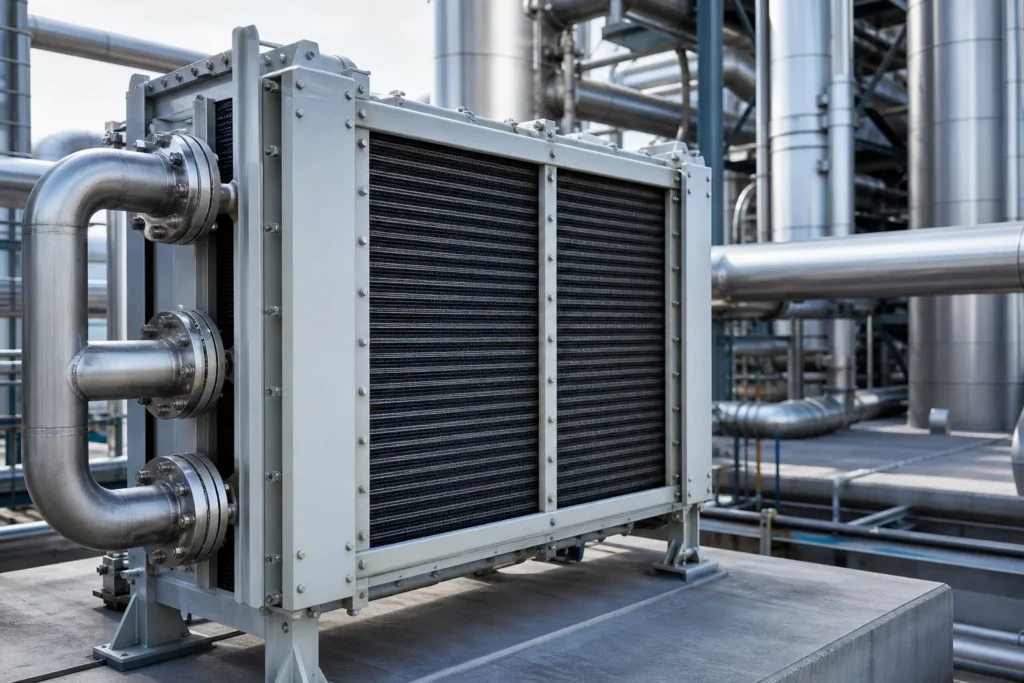
Understanding Heat Exchanger Equipment for Industrial Airflow Systems
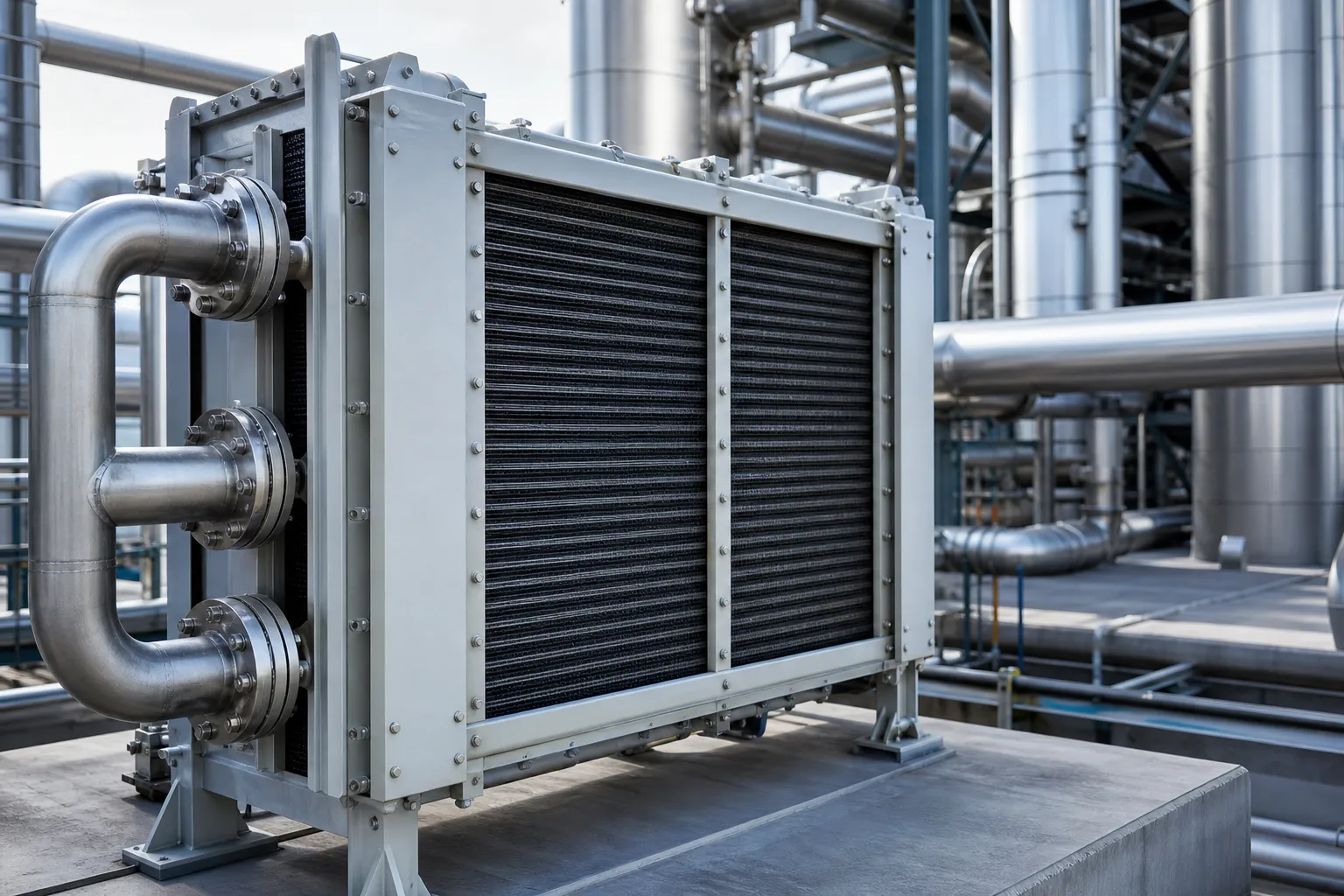
Introduction to Heat Exchanger Equipment
Heat exchanger equipment is fundamental in managing thermal energy across various industrial processes. These devices transfer heat from one medium to another, ensuring efficient temperature regulation and energy conservation. In the realm of industrial airflow systems, heat exchangers are vital for maintaining optimal operating conditions, enhancing energy efficiency, and reducing operational costs. Their unique ability to facilitate heat transfer without mixing fluids makes them indispensable in numerous applications. For more information on complete airflow systems, visit Complete Airflow Systems With Vortex Fans For Property.
Types of Heat Exchanger Equipment
Several types of heat exchangers are utilized in industrial settings, each designed for specific applications and operational needs:
- Shell and Tube Heat Exchangers: These consist of a series of tubes, with one set carrying the hot fluid and the other the cold fluid. They are well-known for their durability and efficiency, making them ideal for high-pressure applications in sectors such as oil and gas.
- Plate Heat Exchangers: Utilizing thin plates to transfer heat between two fluids, these devices are compact and highly efficient. They are commonly used in food processing and HVAC applications due to their space-saving design.
- Air-Cooled Heat Exchangers: These exchangers use ambient air to cool fluids, making them suitable for locations where water is scarce. They are frequently found in power plants and chemical processing facilities.
Each type of heat exchanger has its unique advantages, so it is essential for industries to select the appropriate one based on their specific requirements.
Specifications to Consider
When selecting heat exchanger equipment for industrial airflow systems, several key specifications should be considered:
- Material Selection: The materials used must withstand the operating environment, including temperature, pressure, and corrosive substances. Common materials include stainless steel, titanium, and carbon steel.
- Size and Capacity: The heat exchanger’s size should match the volume of fluid to be processed. Oversized or undersized units can lead to inefficiencies and increased operational costs.
- Efficiency Ratings: Efficiency is crucial as it directly impacts energy consumption and operational costs. It’s advisable to look for units that offer high thermal efficiency ratings to ensure optimal performance. For a technical reference on heat exchanger equipment, check out Engineering360.
Use Cases in Industrial Settings
Heat exchanger equipment is applied across various industrial sectors:
- HVAC Applications: In heating, ventilation, and air conditioning systems, heat exchangers help regulate indoor climates by transferring heat between the air and refrigerants, ensuring comfortable environments.
- Chemical Processing: In chemical plants, these devices control reaction temperatures and cooling processes, thereby enhancing product quality and safety.
- Power Generation: Power plants utilize heat exchangers to improve the efficiency of steam cycles and cooling systems, which significantly impacts overall energy production.
Comparing Heat Exchanger Equipment
When evaluating different heat exchanger equipment, several factors come into play:
- Performance Metrics: It’s essential to assess the heat transfer efficiency, pressure drop, and overall effectiveness of each type of heat exchanger. These metrics are critical in determining the best fit for specific applications.
- Cost Analysis: Consider both initial investment and long-term operational costs. While some heat exchangers may incur a higher upfront cost, their efficiency can lead to substantial savings over time.
- Maintenance Requirements: Different heat exchangers come with varying maintenance needs. Understanding these requirements is crucial for effective planning and minimizing downtime.
Sourcing Heat Exchanger Equipment
Finding the right heat exchanger equipment involves careful sourcing:
- Finding Reliable Suppliers: Research and identify suppliers known for providing high-quality heat exchangers. Checking reviews and industry reputation helps ensure reliability.
- Evaluating Product Quality: Inspect certifications and compliance with industry standards. High-quality materials and construction are vital for long-term performance.
- Understanding Warranty and Support: A solid warranty and responsive customer support can significantly impact the longevity and reliability of your heat exchanger equipment.
Implementation Best Practices
Effectively implementing heat exchanger equipment requires adherence to best practices:
- Installation Guidelines: Follow manufacturer instructions for installation to ensure optimal performance. Proper alignment and secure fittings are crucial to prevent leaks.
- Integration with Existing Systems: Ensure that the new heat exchanger is compatible with existing industrial airflow systems. This may involve adjustments to piping or controls.
- Safety Considerations: Prioritize safety during installation and operation. Regular inspections and adherence to safety protocols minimize risks associated with heat exchanger failures.
Frequently Asked Questions
- Common Issues and Solutions: Typical problems include fouling and leaks. Regular maintenance and cleaning can prevent these issues from escalating.
- Lifespan and Replacement: The lifespan of heat exchangers varies; however, with proper maintenance, they can last between 10 to 15 years. Monitoring performance can indicate when replacement is necessary.
- Regulatory Compliance: Ensure that your heat exchanger equipment meets all relevant industry regulations and standards to avoid legal complications and ensure safety.
Conclusion
Heat exchanger equipment is a cornerstone of efficient industrial airflow systems, playing a vital role in energy management and operational efficiency. By understanding the types, specifications, and best practices for implementation, businesses can optimize their systems for better performance and cost-effectiveness. Careful selection and maintenance of heat exchangers will not only enhance productivity but also contribute to sustainability goals within the industrial sector.