
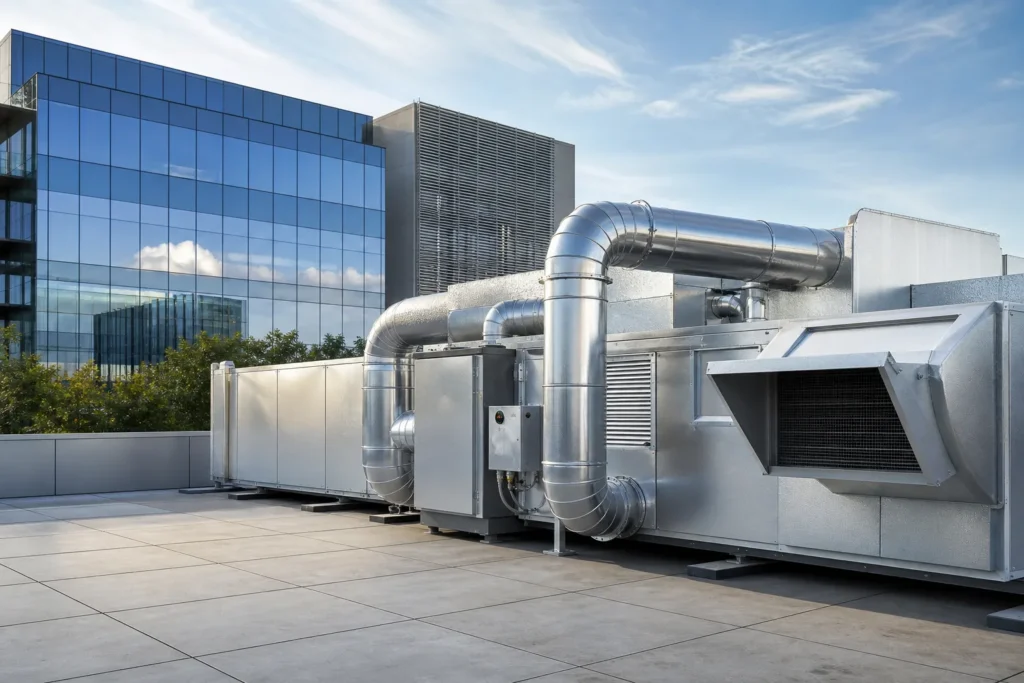
The Role of Energy-Saving Ventilation Systems in Modern Commercial Applications
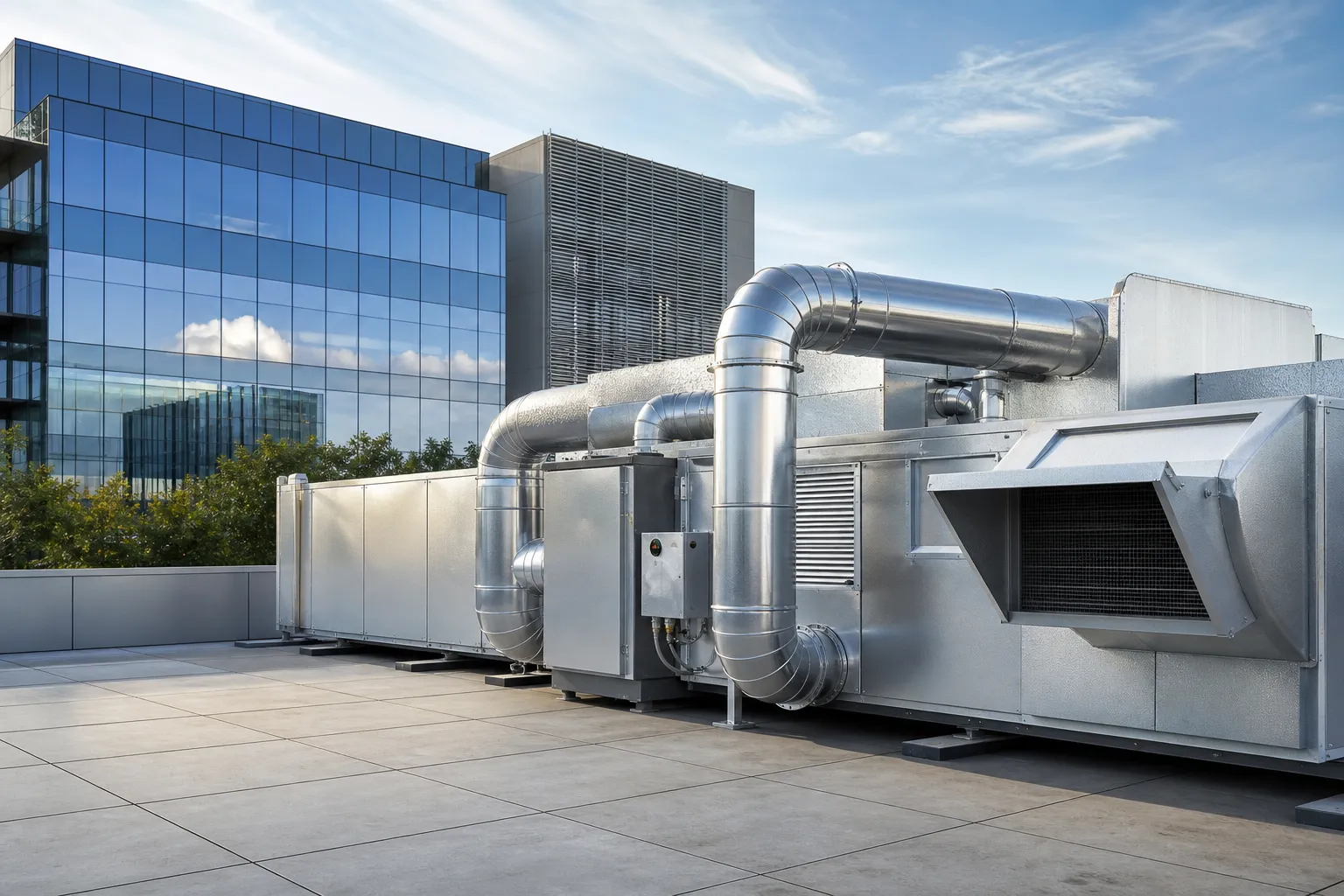
1. Introduction to Energy-Saving Ventilation Systems
Energy-saving ventilation systems are designed to improve indoor air quality while also minimizing energy consumption. These energy-saving systems utilize innovative technologies to regulate airflow, ensuring commercial spaces remain comfortable and healthy for occupants. In today’s business landscape, the significance of energy-saving ventilation systems cannot be overstated. Companies are increasingly seeking sustainable solutions that not only reduce operational costs but also lower their environmental impact. By optimizing air exchange rates and enhancing energy efficiency, these systems play a vital role in fostering productive work environments. For more information on various airflow solutions, visit Products – Shaanxi Zhongen Environmental Technology Co., Ltd..
2. Specifications of Energy-Saving Ventilation Systems
When evaluating energy-saving ventilation systems, several key features should be taken into account. These include variable air volume controls, heat recovery ventilators, and demand-controlled ventilation, which adjusts airflow based on occupancy levels. Energy efficiency ratings, such as those provided by the Energy Star program, serve as essential benchmarks that assist businesses in identifying high-performing systems. In my experience, understanding these specifications allows commercial enterprises to make informed decisions that align with their sustainability objectives and operational requirements.
3. Use Cases in Commercial Settings
Energy-saving ventilation systems are being utilized across a wide range of commercial settings:
- Office Buildings: In office environments, these systems enhance employee productivity by maintaining optimal indoor air quality. Improved ventilation reduces the accumulation of indoor pollutants, thereby supporting a healthier workplace.
- Retail Spaces: Retail environments benefit significantly from energy-saving ventilation by creating a comfortable shopping experience for customers. Proper airflow regulates temperature and humidity, influencing purchasing behavior and overall customer satisfaction.
- Industrial Facilities: In industrial settings, energy-saving ventilation is crucial for ensuring worker safety and compliance with health regulations. These systems effectively remove harmful airborne contaminants, providing a safer working environment while simultaneously reducing energy costs.
4. Comparison with Traditional Ventilation Systems
A comprehensive analysis of energy consumption reveals substantial differences between energy-saving ventilation systems and traditional systems. Traditional ventilation often operates at fixed rates, resulting in excessive energy use during off-peak hours. Conversely, energy-saving systems dynamically adjust airflow, leading to significant energy savings.
From a cost-benefit perspective, while the initial investment in energy-saving systems may be higher, the long-term savings on energy bills generally outweigh these upfront costs. Additionally, various jurisdictions offer incentives for businesses that adopt energy-efficient technologies, which further enhances the financial viability of these systems. For more detailed insights, refer to this industry reference.
5. Sourcing Energy-Saving Ventilation Systems
When sourcing energy-saving ventilation systems, businesses should consider reputable manufacturers known for their reliability and innovation. Companies like Trane, Carrier, and Daikin have established themselves as leaders in the industry, providing a diverse range of products tailored for commercial applications.
Factors to consider when selecting a supplier include the availability of technical support, warranty offerings, and the supplier’s market reputation. Partnering with a reputable manufacturer can ensure that businesses receive high-quality systems that meet their specific needs. For instance, check out the ZE-100P – Inline Duct Fan Series as a reliable option.
6. Implementation Strategies
Implementing energy-saving ventilation systems successfully requires meticulous planning. Best practices for installation involve engaging certified professionals who understand the complexities of commercial HVAC systems. Proper installation is crucial to ensure the system operates efficiently and effectively from the beginning.
Integration with existing systems is another critical factor. Businesses should assess how new energy-saving systems can complement or enhance their current ventilation infrastructure. A well-integrated system can lead to improved performance and increased energy savings.
7. Maintenance and Performance Monitoring
Routine maintenance is vital for ensuring the longevity and efficiency of energy-saving ventilation systems. Regular filter changes, system inspections, and duct cleaning can prevent performance degradation and sustain optimal air quality.
Key performance metrics to monitor include energy consumption, airflow rates, and indoor air quality indicators. By keeping track of these metrics, businesses can identify potential issues early and make necessary adjustments, maximizing both efficiency and comfort.
8. Frequently Asked Questions
Common Concerns About Energy-Saving Ventilation: Many businesses express concerns about the upfront costs and complexity of installing energy-saving systems. However, the long-term savings and benefits often justify the initial investment.
Myths vs. Facts: A common myth is that energy-saving ventilation systems compromise air quality for energy efficiency. In reality, these systems are designed to enhance air quality while simultaneously reducing energy consumption, making them a smart choice for modern commercial applications.
Conclusion
Energy-saving ventilation systems are essential to the sustainability and efficiency of contemporary commercial applications. By understanding their specifications, use cases, and maintenance requirements, businesses can make informed decisions that improve indoor air quality while lowering energy costs. As the demand for environmentally friendly practices continues to rise, investing in energy-saving ventilation systems is not just a trend; it represents a strategic move towards a more sustainable future.