
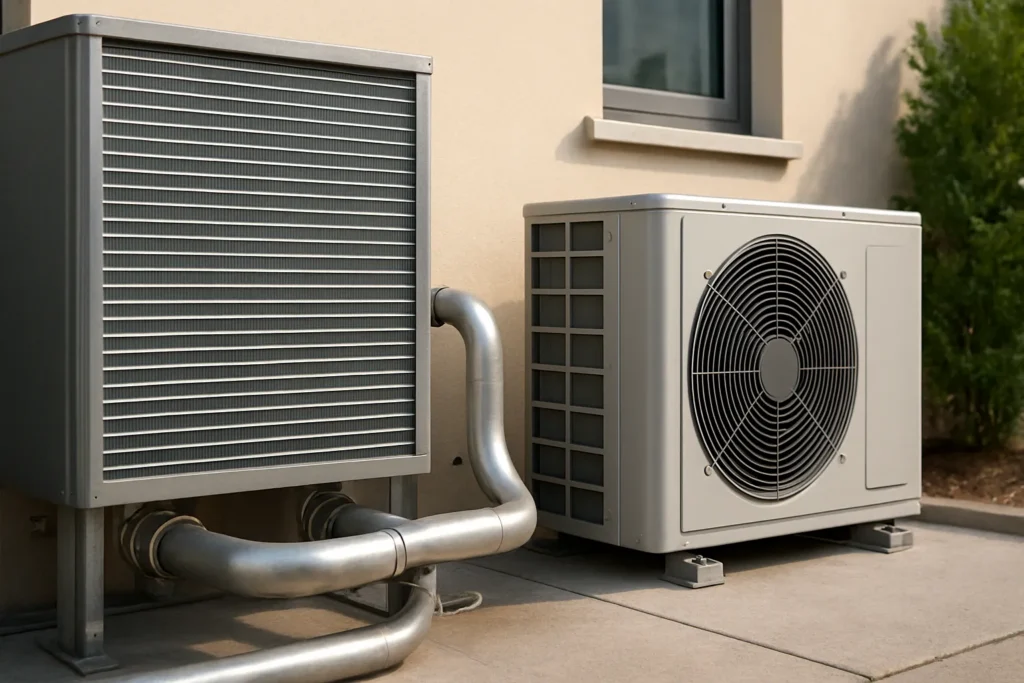
The Role of Heat Exchange Equipment in Optimizing HVAC Systems for Small Businesses
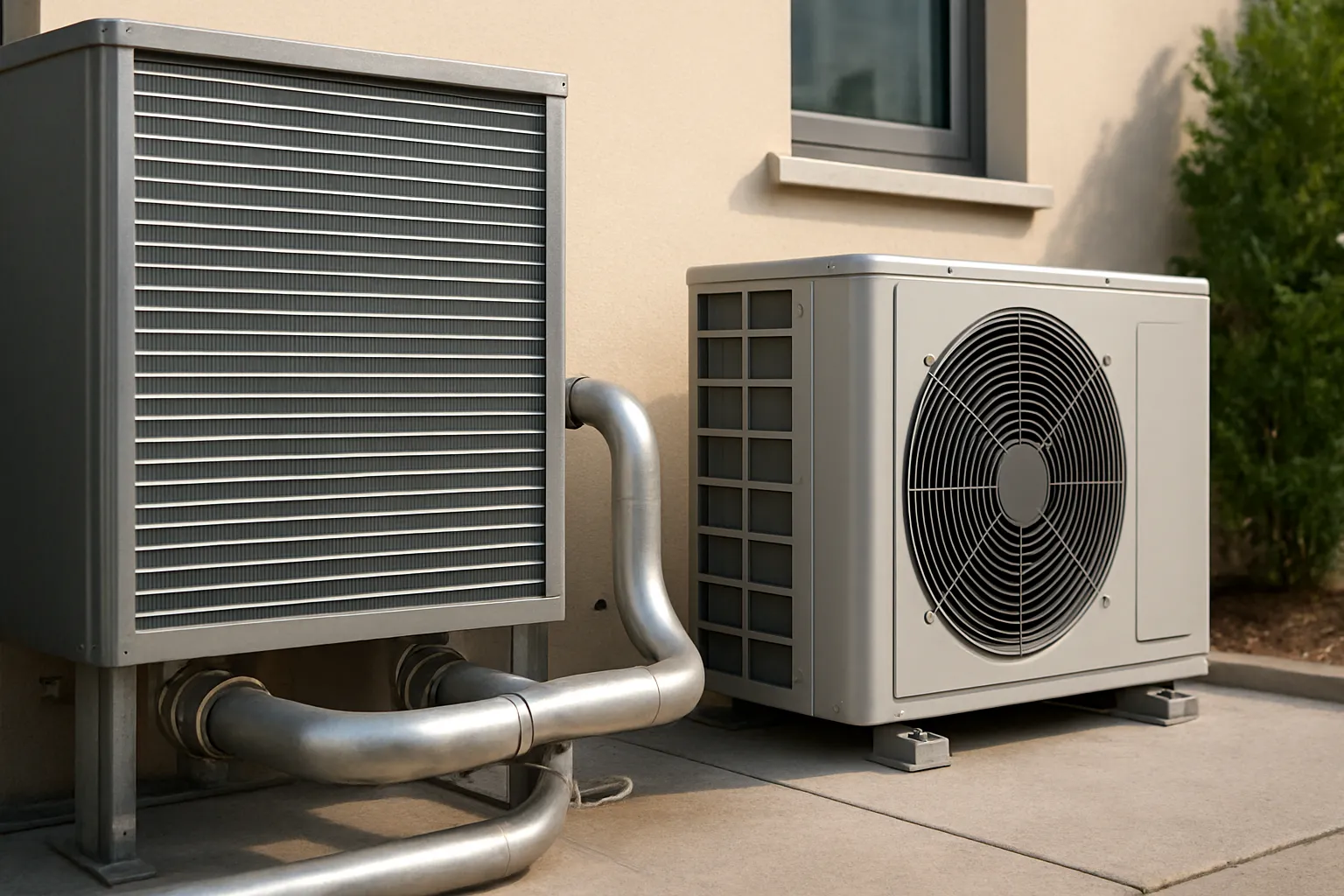
**1. Introduction to Heat Exchange Equipment**
Heat exchange equipment is essential in enhancing the efficiency and effectiveness of HVAC systems. These devices transfer heat between two or more fluids without mixing them, making them critical components for regulating temperature and improving energy efficiency. In small commercial applications, the significance of heat exchange equipment cannot be overstated, as it directly influences operational costs and environmental sustainability. From my experience, optimizing HVAC systems with the right heat exchange solutions not only ensures a comfortable environment but also minimizes energy consumption. For more information on complete airflow systems, visit Complete Airflow Systems With Vortex Fans For Property.
**2. Specifications of Heat Exchange Equipment**
When evaluating heat exchange equipment, several key features should be taken into account. These include the types of fluids being used, the necessary temperature differentials, and the overall design of the system. Efficiency ratings and standards are also crucial; equipment should meet or exceed industry benchmarks, such as those set by ASHRAE (American Society of Heating, Refrigerating and Air-Conditioning Engineers), to guarantee optimal performance. In my opinion, businesses should prioritize heat exchangers that offer high thermal efficiency, low pressure drop, and compatibility with existing HVAC equipment. For a comprehensive range of products, check out Products – Shaanxi Zhongen Environmental Technology Co., Ltd..
**3. Use Cases for Small Commercial Applications**
Heat exchange equipment finds a diverse range of applications in small businesses. Common uses include heating and cooling in office buildings, restaurants, retail spaces, and warehouses. For instance, a restaurant may utilize heat exchangers to recover waste heat from exhaust systems to preheat water, significantly reducing energy costs. The benefits of incorporating heat exchange equipment into HVAC systems are numerous; businesses can witness lower energy bills, enhanced comfort levels for occupants, and decreased environmental impact through reduced greenhouse gas emissions. Additionally, for more technical insights, refer to this industry reference.
**4. Comparison of Heat Exchange Equipment Types**
There are various types of heat exchange equipment, each tailored for specific applications. Air-to-air heat exchangers are particularly effective for ventilation systems, allowing for the transfer of heat between incoming and outgoing air streams. Conversely, water-to-water heat exchangers are commonly used in hydronic heating systems, facilitating heat transfer between water loops. Within these categories, businesses can choose between plate heat exchangers and shell-and-tube heat exchangers. From what I have seen, plate heat exchangers are compact and efficient, making them perfect for space-constrained environments, while shell-and-tube designs are robust and capable of handling larger volumes, often employed in more extensive HVAC setups.
**5. Sourcing Heat Exchange Equipment**
Choosing the right HVAC equipment suppliers is vital for acquiring quality heat exchange equipment. Businesses should consider several criteria when evaluating potential suppliers, such as their industry experience, the variety of products offered, and customer service capabilities. Reliability and support are also crucial; suppliers should provide adequate technical assistance, warranty options, and maintenance services. A supplier with a strong reputation can significantly impact the performance and longevity of HVAC systems in small commercial settings. For further assistance, visit FAQs – Shaanxi Zhongen Environmental Technology Co., Ltd..
**6. Implementation Strategies for HVAC Systems**
The successful implementation of heat exchange equipment requires meticulous planning and execution. Installation best practices include ensuring proper sizing and placement of the equipment, as well as adhering to local building codes and regulations. Additionally, regular maintenance is essential for ensuring the longevity and efficiency of heat exchangers. This includes routine inspections, cleaning, and timely repairs to prevent breakdowns and maintain optimal performance levels.
**7. FAQs About Heat Exchange Equipment**
Small business owners often have questions about heat exchange equipment and its role in HVAC systems. Common inquiries include how to determine the right type of heat exchanger for their needs, the expected return on investment, and troubleshooting tips for common HVAC issues. Understanding these aspects can empower business owners to make informed decisions regarding their HVAC systems, ensuring they achieve the best possible outcomes.
In conclusion, heat exchange equipment is a vital component in optimizing HVAC systems for small commercial use. By understanding its specifications, use cases, and sourcing strategies, businesses can enhance their energy efficiency while ensuring a comfortable environment for their employees and customers. Investing in the right heat exchange solutions not only leads to cost savings but also contributes to a more sustainable future.